Amboseli National Park is one of the most famous safari destinations in Kenya. The name “Amboseli” comes from a Maasai word meaning “salty dust,” referring to the dry, white, dusty soil that covers much of the Amboseli region.
The park is best known for its large herds of elephants, beautiful views of Mount Kilimanjaro, and rich birdlife and wildlife. It covers 392 square kilometers and includes several seasonal lakes such as Lake Amboseli, Lake Conch, Lake Kioko, and Lake Simek.
Amboseli was home to the world’s most researched elephant, Echo, who passed away in 2009 at about 60 years old. Echo’s life and behavior were studied extensively, greatly increasing our understanding of elephants. Her story has been shared in several books and documentaries.
The park also features many swamps and marshes that are fed by underground water flowing from Mount Kilimanjaro. These wetlands attract large numbers of animals throughout the year, even during dry seasons, and are also home to many aquatic birds.
Entry Fees for Amboseli National Park
- Foreign non-resident adults: USD 60
- Foreign non-resident children: USD 35
- Kenyan citizens and East African residents: Ksh 860 for adults, Ksh 215 for children
Foreign residents must show valid residency documents to qualify for local rates.
History of Amboseli National Park
Amboseli was first established as a southern game reserve in 1906 and later came under local control in 1948. It was upgraded to a national park in 1974.
The Maasai people have lived around this area for centuries and were once known for their warrior spirit, which made early explorers wary of venturing into the region. In 1883, explorer Jeremy Thompson became the first European to enter the Maasai community known as Empusel, meaning “salty dust.”
In 1991, UNESCO designated Amboseli National Park as a World Heritage Site.
In later years, former President Mwai Kibaki announced that the park should be managed by the Maasai community, who originally lived within it. However, legal debates over this decision continue between the Kenya Wildlife Service and local community leaders.
Amboseli was also home to Tim, one of Kenya’s most iconic elephants, known for his exceptionally long tusks that touched the ground. Tim died of natural causes in 2020.
The Amboseli Elephant Research Project, led by Dr. Cynthia Moss, has played a major role in elephant conservation. Her work inspired documentaries such as “Echo of the Elephants” and books including “Elephant Memories” and “The Amboseli Elephant.”
Wildlife in Amboseli National Park
Amboseli is world-famous for close-up encounters with elephants in their natural environment.
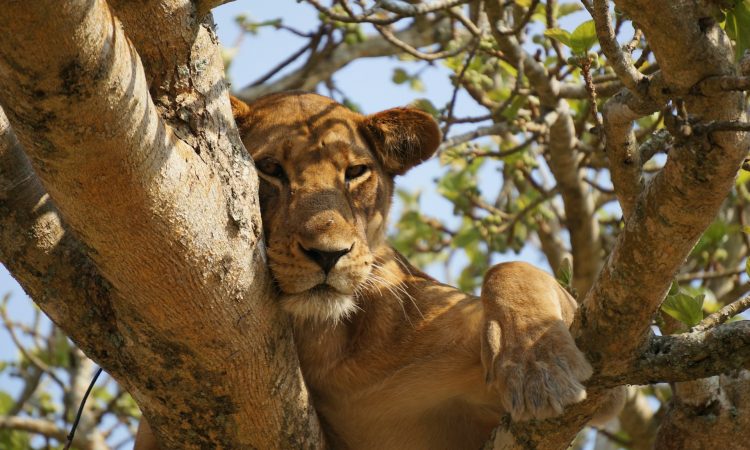
Other animals include Cape buffalos, lions, cheetahs, blue wildebeests, impalas, Grant’s gazelles, Masai giraffes, spotted hyenas, and zebras.
The best time for game drives is early morning or late afternoon, while night game drives (from 6 pm) offer chances to see nocturnal animals like leopards, hyenas, hippos, and night birds.
Things to Do in Amboseli National Park
Wildlife Viewing
Game drives offer the best way to experience Amboseli’s wildlife. You can spot elephants, lions, wildebeests, zebras, giraffes, cheetahs, and many more animals roaming freely against the backdrop of Mount Kilimanjaro.
You can also enjoy a hot air balloon safari in the early morning for panoramic views of the park and its wildlife.
Hiking Observation Hill
Observation Hill, also called Normatior in the Maasai language, is the highest point in Amboseli.
It was formed during Mount Kilimanjaro’s volcanic activity, when earth movements created several small crater lakes and hills in the region.
Hiking to the top of Observation Hill rewards visitors with wide views of the park’s plains, swamps, and Mount Kilimanjaro—the highest mountain in Africa.
Visiting the Maasai Villages
The Maasai people, who once roamed freely across Kenya and Tanzania, now welcome visitors to their traditional villages near Amboseli.
Tourists can experience their unique culture, learn about daily life, take part in dances, and buy handmade crafts to support the local community.
Meeting the Maasai provides a deeper understanding of Kenya’s cultural heritage.
Bird-watching in Amboseli
Amboseli National Park is home to over 420 bird species, making it a top destination for bird lovers.
Some common birds include African jacana, yellow-necked spurfowl, greater and lesser flamingos, Taveta golden weaver, Zanzibar red bishop, Pangani longclaw, Hartlaub’s bustard, cinnamon-breasted bunting, and beautiful sunbird.
The best birding spots are around swamps, lakes, and open grasslands, especially during the rainy season when migratory birds arrive.
Elephant Research Camp
The Amboseli Elephant Research Camp is dedicated to studying elephant behavior and conservation.
While it’s not open to the public, visitors can arrange a short educational visit with researchers to learn about elephant families, their social behavior, and the park’s conservation efforts.
Photography in Amboseli
Amboseli offers some of the best photography opportunities in Kenya.
With Mount Kilimanjaro in the background, herds of elephants, and shimmering swamps, it’s a paradise for nature and wildlife photographers.
Guided Nature Walks
Guided nature walks can be done around Observation Hill and selected parts of the park.
Accompanied by trained rangers, visitors can learn about the park’s ecosystem, smaller animals, plants, and tracks often missed on a regular safari.
Amboseli Attractions – Top Things to See
Mount Kilimanjaro Views from Amboseli
Mount Kilimanjaro, Africa’s highest mountain, lies in Tanzania, but some of its most impressive views can be seen from Kenya’s Amboseli National Park.
Visitors often combine a safari in Amboseli with a climb of Mount Kilimanjaro since the park is close to the Tanzanian border. The mountain climb is not too difficult, making it possible even for travelers without prior hiking experience.
Large Elephant Herds & Seasonal Lakes
Amboseli National Park is well known for its large herds of elephants and seasonal lakes, which attract many animals throughout the year.
The biggest of these lakes is Lake Amboseli, while others include Lake Conch, Lake Kioko, and Lake Simek. These lakes are important watering points for wildlife, especially during dry months.
Sinet Delta – A Haven for Bird Lovers
Located near Observation Hill, the Sinet Delta is one of the best bird-watching areas in Amboseli National Park. It is a must-visit for bird enthusiasts, with many bird species recorded throughout the year.
The delta also has one of the largest giraffe populations in the park because of its abundant acacia trees, which provide food and shade.
Location & Accessibility
Amboseli National Park is located in southern Kajiado County, Kenya.
It can be accessed by road—about a 4-hour drive (240 km) southeast of Nairobi. Travelers who prefer flying can book chartered flights to Amboseli Airstrip, which take approximately 30 minutes from Nairobi.
Best Time to Visit Amboseli National Park
Amboseli National Park can be visited all year, but the best experiences are during the dry months from June to September and December to February.
During this time, animals gather around swamps and lakes, and the short grass makes wildlife spotting easier.
In the rainy season, some tracks can become muddy or hard to access, but it is also a good time for budget travelers because lodges lower their prices and the park looks greener.
Accommodation in Amboseli National Park
There are many accommodation choices in and around Amboseli to suit every traveler’s budget. Options range from budget camps to mid-range lodges and luxury safari camps.
Some of the popular places to stay include: Oltukai Lodge, Kilimanjaro Guest House, Chui Cottages, Semadep Mara Camp, Amboseli Serena Lodge, Simba Cottages, Gate to Kibo Safari Camp, Tortilis Tented Lodge, Amboseli Campsite, Satao Elerai Lodge, Tawi Lodge, Leopard Tented Camp, Kent Tented Camp, Selenkay Adventure Camp, Kimbla Campsite, Cottar’s Tented Camp, We4 Kenya Guest Houses, Little Amanda Camp, Endonyo Amboseli, Elerai Camp, Kilima Safari Camp, Sentrim Amboseli Lodge, H12 Elephant Gorge, and Kilimanjaro Safari Camp.