Tarangire National Park is located in the Manyara region in northern Tanzania, covering an area of about 2,850 square kilometers. The park takes its name from the Tarangire River, which flows through it and provides water for animals throughout the year.
Tarangire hosts its own annual wildlife migration, although it is smaller compared to the famous ones in Serengeti and Masai Mara. The migration happens between June and November and offers visitors an authentic safari experience in Tanzania.
The park is characterized by acacia woodlands, swamps, ridges, baobab trees, grasslands, and parts of the Rift Valley and nearby lakes.
Wildlife Watching in Tarangire
Tarangire National Park is best known for its large elephant population. Visitors can also see a wide range of animals, including lions, leopards, cheetahs, zebras, wildebeests, buffaloes, giraffes, elands, gazelles, impalas, waterbucks, hartebeests, kudu, fringe-eared oryx, gerenuks, dik-diks, and hyenas.
Other animals include olive baboons, vervet monkeys, mongoose, honey badgers, and sometimes African wild dogs.
The best time for game drives is during the early morning or late evening when animals are most active.
One of the most exciting experiences in Tarangire is taking a hot air balloon safari. Flights are usually conducted in the morning or evening, allowing visitors to enjoy the wildlife and scenic views of the park from above.
Night game drives are also allowed in some lodges, giving guests a chance to spot nocturnal animals. However, not all lodges offer this activity, so it’s important to choose accommodation that does if you want to experience night safaris.
Bird Watching in Tarangire
Tarangire National Park is one of the best birdwatching destinations in Tanzania, with over 500 bird species recorded.
Common birds include the yellow-collared lovebird, pink-breasted lark, vulturine guinea fowl, Von der Decken’s hornbill, ostrich, tawny eagle, African grey flycatcher, ashy starling, red-and-yellow barbet, white-headed buffalo weaver, and Donaldson’s nightjar.
The best time for birding is from November to April, when migratory species from Europe and North Africa visit the park.
Tarangire River
The Tarangire River is the main source of water in the park. During the dry season, thousands of animals migrate to the river in search of water, making it the best time to see large gatherings of wildlife along its banks.
Nature-Guided Walks
Visitors can explore the park on guided nature walks led by armed rangers. Walking safaris allow travelers to learn about animal tracks, plants, insects, and the smaller details of the wilderness.
It’s important to always walk with a guide and follow safety instructions carefully.
Cultural Encounters in Tarangire
Meeting the local communities living around the park is one of the most rewarding experiences in Tarangire. Visitors can learn about local traditions, music, and dances, and buy handmade crafts from the village markets as souvenirs.
These cultural visits help support local families and give travelers a deeper connection with the people of northern Tanzania.
Lake Manyara National Park Extension
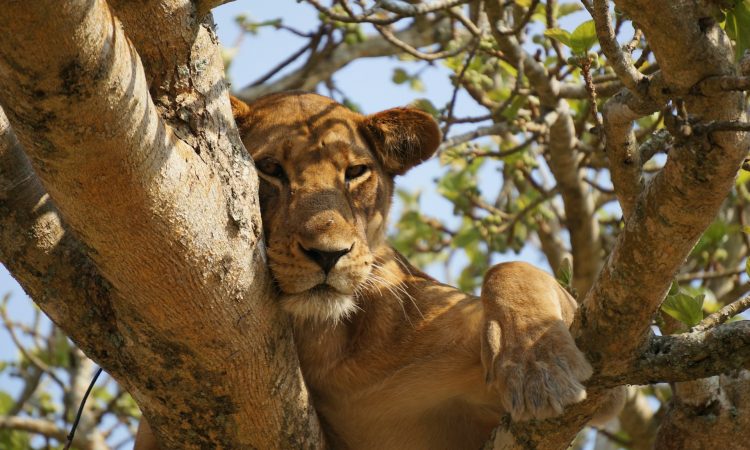
You can enhance your Tarangire safari by visiting Lake Manyara National Park, which is nearby. Lake Manyara is known for its tree-climbing lions, a rare behavior seen only here and in Queen Elizabeth National Park in Uganda.
The park is dominated by Lake Manyara, set against the backdrop of the Great Rift Valley. It is home to elephants, giraffes, wildebeests, zebras, leopards, impalas, warthogs, and African wild dogs.
Bird lovers will find more than 350 bird species here, including African jacanas, little bee-eaters, silvery-cheeked hornbills, Egyptian geese, and crested francolins.
Visiting both Tarangire and Lake Manyara offers one of the best safari experiences in northern Tanzania.
Getting There
Tarangire National Park is about two hours’ drive from Arusha town and around 70 kilometers from Lake Manyara National Park.
The park can also be reached by air via Kilimanjaro International Airport (JRO). There are daily scheduled flights from Julius Nyerere International Airport (Dar es Salaam) and from Serengeti directly to Tarangire.
When to Visit Tarangire National Park
Tarangire can be visited all year round, but the best time for wildlife viewing is during the dry season from June to September and December to February.
During this time, animals gather around the Tarangire River, making them easier to spot.
For birdwatchers, the best period is between November and April, when migratory birds are present.
Where to Stay
Tarangire National Park offers a variety of accommodation options, ranging from budget to luxury. Some of the popular lodges and camps include:
Lake Burunge Tented Camp, Tarangire River Camp, Kuro Camp, Chem Chem Safari Lodge, Nimali Tarangire, Tarangire Sopa Lodge, Sanctuary Swala Camp, Tarangire Safari Lodge, Tarangire Tree Tops Lodge, Oliver’s Camp, Kichuguu Camp, and Maramboi Tented Camp.
Booking in advance is recommended, especially during the high season from June to October.