Masai Mara, also known as the Mara, is the most visited national reserve in Kenya. The name comes from the local Maasai people who lived in the area before it was gazetted and who still live around the reserve today. The word “Mara” means “spotted” in the Maa language, referring to the scattered trees across the plains.
Masai Mara covers 1,510 square kilometers. The Great Wildebeest Migration, which happens every year, is one of the top 10 wonders of the world and among the seven natural wonders of Africa.
Masai Mara is part of the Mara-Serengeti ecosystem, which stretches across Kenya and Tanzania. The reserve has been a major site for wildlife research, especially on spotted hyenas and lions.
Entry Fees
The park entry fee depends on whether you stay inside or outside the reserve.
- Adult foreign non-residents staying inside the reserve pay $70, while those outside pay $80.
- Foreign non-resident children pay $40 if staying inside and $45 if staying outside. The children’s rate applies to those 12 years and below.
- East African resident adults pay KSh 1,200, and children pay KSh 500.
- Kenyan citizens pay KSh 1,000 for adults and KSh 300 for children.
Vehicle entry fees depend on seating capacity:
- Less than 6 seats – KSh 400
- 6 to 12 seats – KSh 1,000
- 13 to 24 seats – KSh 3,000
- 25 to 44 seats – KSh 4,000
- 45 seats and above – KSh 5,000
History
Masai Mara began as the Mara Wildlife Conservancy, covering 520 square kilometers. In 1961, it was expanded to form a national reserve covering 1,821 square kilometers. Later in 1974, about 159 square kilometers were returned to the local community, and another 162 square kilometers were given back in 1976, leaving the current 1,510 square kilometers.
In the 1960s, Masai Mara had many rhinos, but heavy poaching in the 1970s and 1980s reduced their numbers to about 15. Thanks to conservation efforts, their numbers are slowly increasing.
The Narok County Council managed the park until 1994 when the Trans Mara County Council was created, and both councils shared management duties. The Mara Conservancy was later formed in 2001 to stop poaching and promote conservation in the western part of the reserve.
In 2018, a non-profit group called A Game Foundation introduced the Masai Mara Photography Competition to help market the reserve and raise funds for conservation. The BBC’s Big Cat Diary television series was also filmed in the Masai Mara.
Animals
Masai Mara is famous for its rich wildlife. Common animals include elephants, lions, leopards, cheetahs, buffalos, wildebeests, zebras, giraffes, hyenas, crocodiles, hippos, and rhinos. Other animals found here are impalas, topis, Thomson’s gazelles, duikers, caracals, African wild dogs, foxes, mongooses, civets, genets, and many more.
What to Do in Masai Mara National Reserve
- Game Drives: Wildlife viewing is the most popular activity in Masai Mara, and every game drive offers something special. The best times to spot animals are early in the morning and late in the afternoon when wildlife is most active. You can expect to see lions, elephants, cheetahs, zebras, giraffes, and many other animals during your safari.
- Hot Air Balloon Safaris: A hot air balloon safari is one of the most beautiful ways to enjoy the plains of Masai Mara. The flight usually starts at dawn, allowing you to see nocturnal animals returning from their night hunts and watch the sunrise over the Savannah. After landing, the experience ends with a champagne bush breakfast in the wild.
- Birding: Masai Mara National Reserve is a paradise for bird lovers, with over 500 bird species, including 60 types of raptors. Some of the common birds include the African fish eagle, grey-crowned crane, ostrich, Kori bustard, secretary bird, shoebill stork, rosy-throated longclaw, yellow-throated sandgrouse, great white egret, martial eagle, pygmy falcon, and woolly-necked stork. The best time for birding is from November to April when migratory birds visit the reserve.
- Visit the Maasai People: The Maasai people were the original inhabitants of Masai Mara and have lived with wildlife for centuries. Today, they are deeply involved in wildlife conservation through community-owned conservancies. Visiting a Maasai village is a great way to learn about their traditions, culture, and daily life. You can enjoy traditional dances, interact with locals, and buy handmade jewelry and crafts to support their community and take home as souvenirs.
- Night Game Drives: Night game drives in Masai Mara’s private conservancies offer a chance to see animals that are active after dark. These drives usually begin at 6 p.m. and allow you to spot nocturnal wildlife such as hyenas, leopards, genets, and night birds like owls and nightjars.
What to See – Attractions in Masai Mara
- Wildebeest Migration: The Great Wildebeest Migration is one of the world’s most remarkable wildlife events and a major reason tourists visit Masai Mara. Millions of wildebeests, along with thousands of zebras and gazelles, migrate from Serengeti National Park into Masai Mara each year. They cross the Grumeti and Mara Rivers, where crocodiles and hippos wait to ambush them. This natural event is unforgettable and a must-see experience in Africa.
- Mara River: The Mara River, which flows through both Kenya and Tanzania, is a lifeline for wildlife, especially during the dry season. It is also known as the “river of death” due to the dramatic scenes that unfold during the Wildebeest Migration. The river is home to large populations of Nile crocodiles and hippos and provides excellent opportunities for wildlife photography.
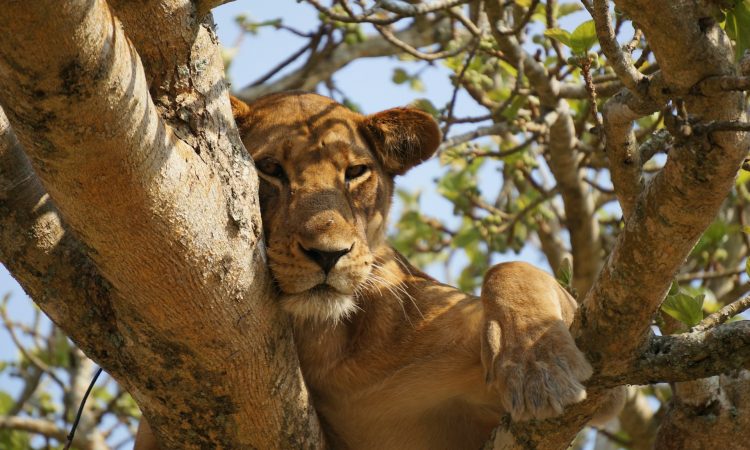
- Lions: Masai Mara is one of the best places in Africa to see lions. The reserve has an estimated population of more than 3,000 lions, making it one of the most reliable destinations for spotting these majestic animals in their natural habitat.
- Mara Conservancies: Around Masai Mara are 14 conservancies managed by local Maasai communities. These conservancies protect wildlife corridors and offer quieter, more exclusive safari experiences. They also support conservation and provide income to local families who have dedicated their land to wildlife protection.
Location
Masai Mara is located in Narok County in Kenya’s Rift Valley Province. It borders Tanzania and connects directly to Serengeti National Park. Visitors can access the park by road or fly using domestic chartered flights. The main airstrips include Musiara Airstrip, Mara Serena Airstrip, Ngerende Airport, and Angama Mara Airstrip.
Best Time to Visit
Masai Mara experiences two dry seasons and two wet seasons each year. The reserve is open all year, but the best time to visit is from June to August and December to February.
The Great Wildebeest Migration takes place between July and October, when millions of animals cross from Serengeti into the Mara. The timing can vary slightly each year, but by August and September, most herds are usually in the park.
For birdwatchers, the best months are November to April, when migratory birds are present. The wet season is also a good time for budget travelers because many lodges offer discounted rates.
Accommodation
There are many lodges and camps in the Masai Mara to suit different budgets. Popular options include Mara Serena Lodge, Little Governors’ Camp, Mara Ngenche, Mara Sopa Lodge, Sarova Mara Game Camp, Talek Bush Camp, Ashnil Mara Camp, Keekorok Lodge, Oltome Mara, Olengoti Mara Safari Camp, AA Lodge Masai Mara, Fig Tree Camp, Crocodile Camp, Mara Sweet Acacia Lodge, Kichwa Tembo Tented Camp, Mara Intrepids Tented Camp, Sanctuary Olonana, Encounter Mara, Ngerende Serian, Naibosho Camp, and Porini Mara Camp.