You may wonder why the Ngorongoro Conservation Area is such a unique and special place in the world—a paradise for both the known and the unknown. Follow the scent of flowers, admire the wide landscapes, listen to the sounds of the wild, and enjoy one of the world’s richest concentrations of mammals.
The Ngorongoro Crater is the most famous feature of the area. It is the world’s largest unbroken volcanic caldera and one of the Seven Natural Wonders of Africa. The crater is about 300 square kilometers wide, 600 meters deep, and 20 kilometers long.
Ngorongoro lies in northern Tanzania’s Arusha region, south of Serengeti National Park, covering about 8,300 square kilometers. The area is part of the Great Rift Valley, with grassland plains, volcanic craters, hills, swamps, and forests. Nearby are the famous archaeological sites of Laetoli and Olduvai Gorge, where ancient human fossils dating back more than 2 million years were discovered.
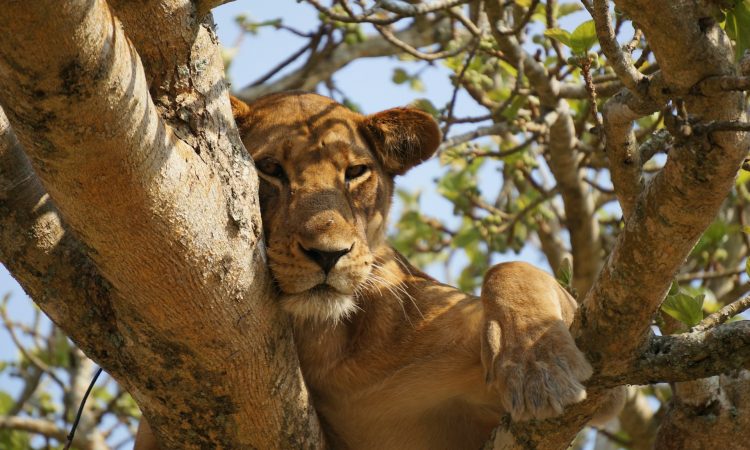
This UNESCO World Heritage Site is home to a large population of animals, including Africa’s Big Five—lions, leopards, elephants, buffaloes, and rhinos. The entire conservation area takes its name from the Ngorongoro Crater, which remains its main attraction.
History of Ngorongoro
According to local history, the name Ngorongoro comes from the sound made by a cowbell called “ngoro ngoro,” used by the Maasai pastoralists who settled in the area after displacing the Mbulu and Datooga hunter-gatherers about 3 million years ago.
The first Europeans to explore the area were Friedrich and Adolf Siedentopf, two German brothers who started farming and organizing hunting trips before the German East Africa authorities took over. In 1921, hunting was restricted to permit holders under the Game Conservation Ordinance. Later, in 1959, the Ngorongoro Conservation Area Ordinance was enacted, separating it from Serengeti National Park and allowing the Maasai people to live within the conservation area.
Ngorongoro forms part of the greater Serengeti ecosystem, bordered by the Loliondo swamps, Maasai villages, the eastern Rift Valley wall, and the volcanic plains.
Wildlife in Ngorongoro
Ngorongoro is known for its incredible mix of habitats—lakes, rivers, marshes, and grasslands—that support many animal and bird species. Common mammals include wildebeest, elephants, lions, buffaloes, zebras, rhinos, leopards, and gazelles. Primates such as monkeys and several reptiles also live here.
The Ngorongoro Crater has one of the highest densities of ungulates (hoofed animals) in Africa and is among the best places to see lions.
During the wet months, migratory birds such as white storks, yellow wagtails, and swallows visit the area. Resident species include flamingoes, ostriches, Kori bustards, crowned cranes, ibis, saddle-bill storks, and various ducks and waders. The wetlands attract hundreds of birds, making it an excellent destination for birdwatchers.
Ngorongoro Crater Rim
The Ngorongoro Crater is the world’s largest intact volcanic caldera. It was formed about 2 million years ago when a massive volcano erupted and collapsed. The crater is about 610 meters deep, 260 square kilometers wide, and sits 1,800 meters above sea level.
A 2–3 hour hike along the crater rim gives visitors great views of the plains and a chance to spot many animals, including Africa’s Big Five.
Olduvai Gorge
The Olduvai Gorge, located near the Ngorongoro Highlands, is one of the most important prehistoric sites in the world. It is about 50 kilometers long and 25 feet deep. The name “Olduvai” comes from a Maasai word meaning “wild sisal.”
The site has a museum displaying fossils and tools that date back millions of years, providing insight into early human life.
The Maasai People
The Maasai are among the few African tribes that have preserved their traditional lifestyle and identity. They are pastoralists who live within and around the conservation area. Visitors can tour their villages, meet the people, watch their dances, listen to their stories, and learn about their way of life.
Best Time to Visit Ngorongoro
The Ngorongoro Conservation Area can be visited any time of the year, but the dry season—from June to October and December to February—is the best time. The roads are easier to access, and animals gather near water sources, making them easier to spot.
During the wet season, the area becomes greener, making it beautiful for photography and excellent for birding.
Accommodation
Ngorongoro offers a variety of luxury, mid-range, and budget lodges and camps. Booking in advance is recommended. The facilities provide comfortable rooms, good food, lighting, and relaxing spaces after a day of adventure.
The Ngorongoro Conservation Area is a small world of its own, where wildlife, landscapes, and culture come together. Spending even one or two days here leaves lasting memories. Home to lions, elephants, buffaloes, leopards, rhinos, and hundreds of other animals and birds, Ngorongoro truly represents the heart of wild Africa.