Serengeti National Park is one of the most famous tourist destinations in Tanzania and the world. The park covers an area of about 15,000 square kilometers filled with wildlife.
The name Serengeti comes from the local Maasai word “siringet,” meaning “a place where the land runs forever.”
Serengeti is home to around 500 bird species, 4,000 lions, 1,000 leopards, 1.3 million wildebeests, 400,000 zebras, 550 cheetahs, and many other animals. The park is made up of Savannah grasslands, riverine forests, woodlands, and swamps, which create a habitat for a wide variety of wildlife.
See our most popular Serengeti safari tours here.
Entrance Fees
- Foreign non-resident adults: $70
- Foreign resident adults: $40
- East African citizen adults: 10,000 Tanzanian shillings
- Foreign non-resident children: $20
- Foreign resident children: $10
- East African citizen children: 2,000 Tanzanian shillings
- Children below 5 years: Free of charge
History of Serengeti
Serengeti National Park was declared a UNESCO World Heritage Site in 1981. It was first established as a game reserve in 1930, covering 2,386 square kilometers. In 1940, it was upgraded to national park status, and in 1948, the Serengeti National Park Board of Trustees was created to manage it.
In 1951, the park boundaries were expanded, and the Maasai pastoralists who grazed their cattle in the area were moved to the Ngorongoro Conservation Area.
In 1959, Bernhard Grzimek and his son Michael wrote a book titled Serengeti Shall Not Die, which brought global attention to the park and attracted travelers worldwide.
The park faces challenges such as deforestation in the Mau Forest, which affects the Mara River, and growing human populations. About 200,000 animals are killed by poaching every year, but strong conservation efforts continue to protect the wildlife.
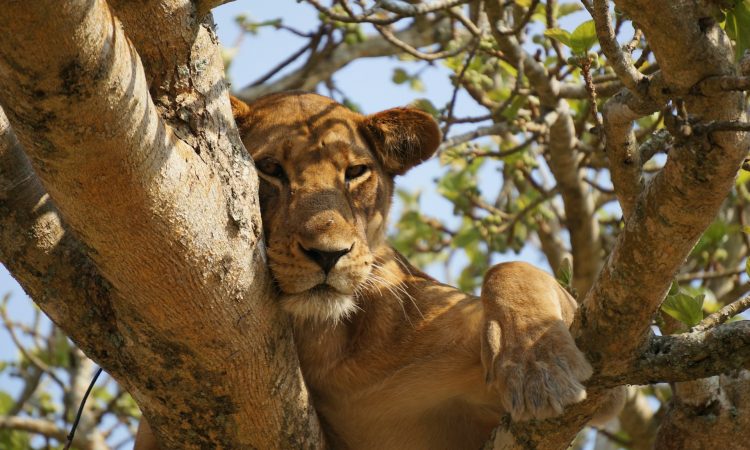
The famous Moru Kopjes in the park serve as perfect lookout points for predators like lions as they scan the plains for prey.
Wildlife Viewing in Serengeti
Serengeti National Park offers some of the best wildlife viewing experiences in the world. Game drives can be done year-round, and visitors often see lions, elephants, rhinos, leopards, buffaloes, zebras, wildebeests, and many other species.
Other animals include hyenas, wild dogs, giraffes, warthogs, cheetahs, baboons, hippos, crocodiles, porcupines, jackals, and many kinds of antelopes.
Serengeti was also declared a lion conservation area in 2005.
The Great Wildebeest Migration
The Great Wildebeest Migration is one of the most amazing natural events on earth. Over 1.5 million wildebeests, zebras, and other animals move from the Ngorongoro Conservation Area through Serengeti to Kenya’s Masai Mara National Reserve.
Each animal travels up to 1,000 kilometers following the rains in search of fresh grass and water.
The migration begins around December to March in the Ndutu Plains, which is also the calving season when nearly half a million calves are born. In April, the herds move through the Serengeti Plains, reach the Grumeti River, and later cross the Mara River in July and August.
By October, they start returning to Tanzania and move back to the Ngorongoro area.
Retina Hippo Pool
One of the most interesting spots in Serengeti is the Retina Hippo Pool, which is home to more than 200 hippos. Visitors can also see crocodiles and other animals around this area.
Hot Air Balloon Safaris
A hot air balloon safari is one of the most unique ways to explore Serengeti. These flights usually take place early in the morning or in the evening, offering a beautiful aerial view of the park.
After the flight, guests enjoy a delicious bush breakfast or sundowner in the wild.
Cultural Encounters
Visitors can also experience the local culture by visiting nearby Maasai villages. You can learn about their traditions, take part in daily activities like cattle grazing, and join in their dances and songs.
This experience helps travelers connect with the Maasai people and understand their way of life.
Ngorongoro Conservation Area
The Ngorongoro Conservation Area was separated from Serengeti National Park in 1959. This area has been inhabited by humans for more than three million years, as proven by early human fossils found there.
Over time, hunter-gatherers were replaced by the Mbulu and Datooga pastoralists, who were later displaced by the Maasai in the 1800s. The name Ngorongoro comes from a Maasai word that imitates the sound of a cowbell.
The area was unknown to non-Africans until it was explored by Oscar Baumann. Later, two German brothers turned it into a hunting area and organized social gatherings around the crater.
In 1921, hunting in Ngorongoro was restricted to permit holders, and by 1928, hunting was completely banned on the crater rim. When Serengeti National Park was established, the Maasai people were moved to areas surrounding the Ngorongoro Crater.
Ngorongoro Crater
The Ngorongoro Crater was formed when a large volcano collapsed inward, leaving a wide circular depression. The crater covers about 260 square kilometers and is 610 meters deep.
It is home to around 25,000 animals, making it one of the most wildlife-rich areas on Earth. Common animals found in the crater include waterbucks, Thompson’s gazelles, buffalos, hippos, lions, cheetahs, African wild dogs, leopards, crocodiles, oribis, wildebeests, topis, and black rhinos.
Olduvai Gorge
Tourists visiting Serengeti National Park can also visit Olduvai Gorge, one of the most important archaeological and paleontological sites in the world. It is located east of Serengeti within the Ngorongoro Conservation Area.
Olduvai Gorge has been studied for more than 80 years and has provided valuable evidence about early human evolution and development.
Getting to Serengeti National Park
Tourists can reach Serengeti National Park by first flying into Julius Nyerere International Airport in Dar es Salaam and then driving to the park. Another option is to fly directly to Arusha or Kilimanjaro International Airport.
Kilimanjaro International Airport is about 320 kilometers from the park’s southern gates, and the drive from Arusha to Serengeti takes around eight hours.
There are four main gates used to access Serengeti National Park, depending on which part of the park you plan to visit.
When to Visit
- Wildlife Watching: Wildlife viewing in Serengeti is possible throughout the year, but the best time is from June to September and December to February when animals gather near water sources and vegetation is short, making sightings easier.
- Wildebeest Migration: The best time to see the migration is between March and June, and again from December to February.
- Bird Watching: Birding is great all year, but the best months are from November to April when migratory birds arrive. This is also the best time for photography because the park is green and the light is soft. Common bird species include the Maccoa duck, white-faced whistling duck, spur-winged goose, helmeted guinea fowl, greater flamingo, kori bustard, turacos, cuckoos, sandgrouse, owls, storks, kingfishers, and secretary birds.
Where to Stay in Serengeti National Park
Serengeti National Park offers a wide range of accommodation options to suit different budgets and travel styles. Visitors can stay in lodges, tented camps, or luxury safari camps depending on their preference and the area they want to explore.
Some popular options include:
- Serengeti Kati Kati Tented Camp
- Serengeti Simba Lodge
- Grumeti Migration Camp
- Lobo Wildlife Lodge
- Four Seasons Safari Lodge Serengeti
- Roving Bushtops Camp
- Lemala Nanyukie Lodge
- Singita Mara Camp
- Sayari Camp
- Kubu Kubu Tented Lodge
- Serengeti Serena Safari Lodge
Each accommodation offers comfort, great views, and access to exciting safari experiences within the park.