Ngorongoro Crater lies within the Ngorongoro Conservation Area and is the world’s largest intact volcanic caldera. It is home to thousands of wild animals, including several globally threatened species. Scientists believe the crater was formed about 2.5 million years ago when a massive volcano erupted and collapsed inward, creating this remarkable natural landmark.
The Ngorongoro Conservation Area covers about 8,094 square kilometers and is a UNESCO World Heritage Site for both its natural and cultural importance. Each year, more than 400,000 tourists visit the crater to witness its rich wildlife and beautiful scenery.
About the Crater
The crater measures between 400 and 610 meters deep, is 16 to 20 kilometers wide, and covers around 264 square kilometers. Unlike many volcanic calderas that have filled with water, the Ngorongoro Crater has remained dry since its formation. It is recognized as one of the Seven Natural Wonders of Africa and has also been classified as a lion conservation unit.
The name Ngorongoro comes from the Maasai word “Ngororongo,” which imitates the sound of a cowbell worn by the lead animal in a herd.
Because of its enclosed shape, wildlife inside the crater rarely migrates out, resulting in one of the densest populations of animals in the world. It is estimated that around 30,000 large mammals live within the crater.
Lions & Research
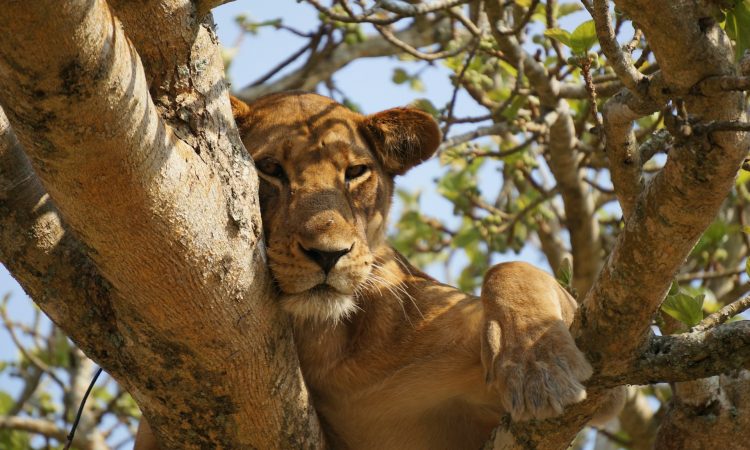
The Ngorongoro Crater is also famous for its lions. Researchers have studied the lions here for decades, gaining insights into their behavior and survival. As of 2020, there were about 65 to 75 lions, which equals roughly one lion for every 3 square kilometers. This high density makes the crater one of the best places in Tanzania to see lions up close during your safari.
People & History
The area surrounding the crater has been inhabited since ancient times. Early hunter-gatherer communities once lived here, and today, tribes such as the Hadza, Maasai, and Datooga call the region home. Ancient stone burial mounds near Lake Magadi are believed to belong to the Datooga people.
Wildlife Watching
Ngorongoro Crater is one of the best wildlife destinations in the world. The steep crater walls act as a natural barrier, keeping most animals within the crater. Visitors can spot the Big Five — elephants, lions, leopards, rhinos, and buffaloes.
Other animals include:
- Blue wildebeests
- Grant’s and Thomson’s gazelles
- Hartebeests
- Elands
- Zebras
- Warthogs
- Hippos
- Olive baboons
- Vervet monkeys
- Hyenas
- Serval cats
- Jackals
- Cheetahs
- Bat-eared foxes
- African wild dogs
Interestingly, giraffes and impalas are not found inside the crater, likely because of the steep terrain and limited vegetation they prefer.
Visitors can also enjoy a hot air balloon safari, offering panoramic views of the crater and its wildlife.
Bird Watching
Ngorongoro Crater is a paradise for bird lovers, with over 550 recorded species. Some of the common and notable birds include:
African fish eagle, saddle-billed stork, African skimmer, marabou stork, great white pelican, African openbill, black-winged stilt, grey-headed kingfisher, crowned lapwing, African jacana, purple-crested turaco, red-chested cuckoo, rosy-patched bushshrike, malachite kingfisher, yellow-crowned canary, red-throated pipit, violet-backed starling, and collared sunbird.
The mix of wetland, grassland, and forest habitats makes the crater ideal for both resident and migratory bird species.
Hippo Pool
The Hippo Pool is a favorite stop during game drives. Visitors can enjoy a picnic at a nearby spot while watching hippos wallow in the water and birds feed along the shore. It’s a relaxing and scenic place to take a break during your safari.
Visit the People
The Masai Tribe
The Masai people are the most famous inhabitants around the Ngorongoro Crater. Although they do not live inside the crater, they have shared this land with wildlife for centuries. The Masai are semi-nomadic pastoralists who graze their cattle on the crater rim and occasionally take them inside the crater during the dry season for water.
A visit to a Masai village gives tourists a chance to learn about their traditional way of life, colorful clothing, beadwork, and unique beliefs. You can enjoy traditional dance performances and songs by Masai warriors and buy handmade crafts such as jewelry, carvings, and fabrics. Purchasing these items helps support the local community and provides a meaningful souvenir from your safari.
The Hadzabe People
Before the arrival of the Masai, the Hadzabe bushmen were the original inhabitants of the Ngorongoro area. Over time, they were pushed to other regions of the conservation area, but they have managed to preserve their traditional hunter-gatherer lifestyle.
Today, fewer than 2,000 Hadzabe people remain. They still rely on hunting small animals and collecting fruits and honey from the forest. Visiting the Hadzabe offers an incredible opportunity to experience one of the world’s last surviving hunter-gatherer cultures and learn about their simple but sustainable way of life.
Olmoti Crater
A visit to Olmoti Crater adds another layer of adventure to your Ngorongoro safari. The word Olmoti comes from a Masai word meaning “boiling pot.” The crater is known for its scenic views and gentle slopes covered in grasslands. Visitors can see Masai pastoralists herding their cattle alongside antelopes and other wildlife. The hike to Olmoti Crater also offers panoramic views of the surrounding highlands.
Lerai Forest
The Lerai Forest is one of the most beautiful natural areas within Ngorongoro. The name “Lerai” is derived from a Masai word meaning “yellow-barked acacias.” The forest is home to many bird species, African elephants, leopards, and primates. It is a peaceful place where visitors can enjoy birdwatching, nature walks, and photography.
Ngorongoro Conservation Area
The Ngorongoro Conservation Area (NCA) was established in 1959 as a multiple land-use area, allowing humans and wildlife to coexist. The area covers 8,292 square kilometers and includes the Ngorongoro Crater. It features savannah grasslands, woodlands, and forests, providing habitats for thousands of wild animals.
The NCA was recognized as a UNESCO World Heritage Site in 1979 and received mixed heritage status in 2010 for its cultural and natural value. Together with Serengeti National Park, it forms part of the Serengeti ecosystem, which supports a wide range of wildlife, including lions, leopards, cheetahs, elephants, rhinos, buffaloes, zebras, wildebeests, giraffes, hippos, crocodiles, and antelopes.
Olduvai Gorge
Located within the Ngorongoro Conservation Area, Olduvai Gorge is often called “The Cradle of Mankind.” It is one of the most important archaeological and paleontological sites in the world.
The gorge is a steep-sided ravine that stretches about 48 kilometers long and is 295 feet deep. Excavations here have uncovered fossilized remains of more than 50 early human ancestors (hominins), dating back between 2.1 million and 15,000 years ago. These discoveries have played a major role in understanding human evolution.
Today, visitors can tour the Olduvai Museum to see ancient tools, fossils, and exhibits about early humans discovered in the area.
Location
The Ngorongoro Crater is located within the Ngorongoro Conservation Area in the eastern branch of the Great Rift Valley. It lies about 185 kilometers from Arusha town, making it easily accessible by road or air for travelers starting their safaris from Arusha or Kilimanjaro.
Best Time to Visit Ngorongoro Crater
The crater can be visited throughout the year, but certain months are better depending on your interests.
- December to March: This is the best time to witness the Great Wildebeest Migration. Thousands of wildebeests arrive at the Ndutu Plains for calving season, attracting predators like lions and hyenas.
- June to September: These are the dry months when vegetation is thin, making it easier to spot animals. Water is scarce, so wildlife gathers around lakes and permanent water sources.
- November to April: This is the best time for bird-watching, as migratory species from Europe and North Africa arrive. The scenery is also greener, creating perfect conditions for photography.
Where to Stay Near Ngorongoro Crater
There is no accommodation available inside the Ngorongoro Crater, but several beautiful lodges and camps are located along the crater rim or in the nearby town of Karatu. Some of the popular places to stay include Sanctuary Ngorongoro Crater Camp, Gibbs Farm, and Lemala Ngorongoro. These lodges offer comfortable rooms, scenic views, and easy access to the crater for early morning game drives.