There are 22 national parks in Tanzania managed by the Tanzania National Parks Authority (TANAPA). Together, they protect some of the country’s most important ecosystems and provide safe habitats for wildlife. These parks conserve Tanzania’s natural heritage and allow animals to breed and live freely without the pressure of human activity. Below is the full list.
Arusha National Park
Located in the Arusha region of northeastern Tanzania, the park covers Mount Meru, a dormant volcano and one of Tanzania’s main peaks. Although small, the park hosts animals such as zebras, giraffes, warthogs, cape buffaloes, red duikers, and Kirk’s dik-diks, as well as birds like the red-billed firefinch and African firefinch.
Burigi-Chato National Park
This park lies near the border of Lake Victoria and Rwanda, surrounded by the Kagera River and Lake Burigi. The landscape is dominated by savannah grasslands and beautiful lakeshores. Wildlife includes elephants, antelopes, zebras, lions, and giraffes, with birds such as fish eagles found along the rivers.
Gombe Stream National Park
Made famous by Dr. Jane Goodall, this park lies in the Kigoma District along the eastern shores of Lake Tanganyika. It is best known for its chimpanzee population. The terrain consists of steep valleys and tropical rainforests and can only be accessed by boat.
Ibanda-Kyerwa National Park
Located in the Kagera region, this park was first established in 1974 and became a national park in 2019. It is home to hippos, antelopes, impalas, gazelles, baboons, and elands, with the Kagera River providing a water source for animals.
Katavi National Park
Created in 1974, Katavi is one of Tanzania’s most remote and least visited parks. It includes the Katuma River, Lake Katavi, and Lake Chada. It offers a real sense of wilderness and is known for large herds of buffaloes and hippos.
Kigosi National Park
Found in the Shinyanga, Geita, and Tabora regions, this park was designated in 2019. It is crossed by rivers such as Malagarasi, Moyowosi, Ugalla, Kigosi, and Nikonga, which flow through open plains and woodlands.
Kilimanjaro National Park
Located near Moshi town, this park is home to Mount Kilimanjaro, Africa’s highest peak. It attracts hikers and climbers from around the world. Apart from trekking, visitors can also see wildlife such as buffaloes, elephants, leopards, blue monkeys, and tree hyraxes.
Kitulo National Park
Situated in the southern highlands, Kitulo protects mountain grasslands and forests on the Kitulo Plateau. It was established mainly to conserve its rich plant life and is often called the “Garden of God” because of its beautiful wildflowers.
Lake Manyara National Park
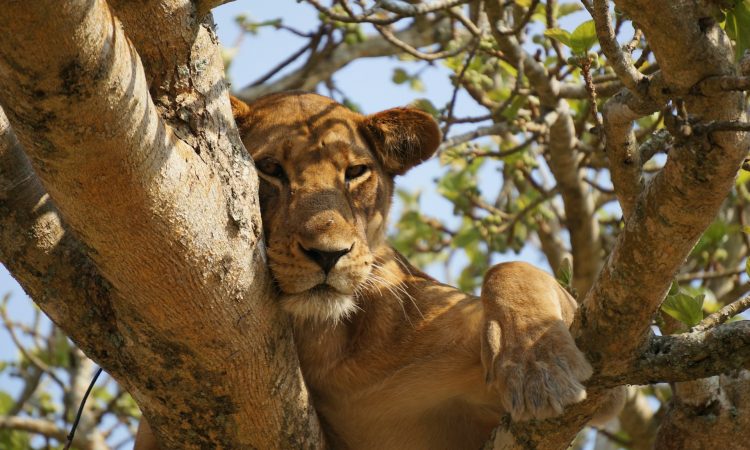
Found in northern Tanzania between Lake Manyara and the Great Rift Valley, this park is famous for its tree-climbing lions and large flocks of flamingoes. It also hosts elephants, giraffes, zebras, and hippos.
Mahale Mountains National Park
Named after the Mahale Mountains in the Kigoma region, this park lies along Lake Tanganyika and is only accessible by boat. It shelters the largest known population of eastern chimpanzees in the world.
Mikumi National Park
The fourth largest park in Tanzania, Mikumi is surrounded by mountains and hills, making it scenic and easy to access for travelers with limited time. It is home to elephants, giraffes, zebras, lions, and many other animals.
Mkomazi National Park
Located in northeastern Tanzania along the Kenyan border, Mkomazi was established as a reserve in 1951 and upgraded to a national park in 2006. It is dominated by acacia vegetation and supports rare colobus monkeys and black rhinos.
Nyerere National Park
Formerly part of the Selous Game Reserve, Nyerere is the largest national park in Tanzania, covering an area almost twice the size of Belgium. The park features the Rufiji River, home to hippos and crocodiles, and hosts lions, elephants, leopards, giraffes, and wildebeests.
Ruaha National Park
Named after the Great Ruaha River, this park offers excellent game viewing along its riverbanks. It can be reached by road from Iringa or by air through Msembe or Jongomero Airstrips. Animals include elephants, lions, antelopes, and leopards.
Rubondo Island National Park
Located on an island in Lake Victoria, this park attracts birdwatchers and fishing enthusiasts. It is a peaceful escape where visitors can see hippos, crocodiles, and many water birds.
Rumanyika-Karagwe National Park
This park lies in the Karagwe and Kyerwa districts of the Kagera region. It protects savannah landscapes that support buffaloes, antelopes, and elephants.
Saadani National Park
Situated between Tanga and Pwani regions, Saadani is Tanzania’s only national park that borders the Indian Ocean. Visitors can enjoy both beach and wildlife experiences, including elephants, lions, and dolphins.
Saanane National Park
Located in Mwanza on an island in Lake Victoria, Saanane is named after Mzee Saanane Chawandi, a farmer and fisherman. The park is home to vervet monkeys, zebras, rock hyraxes, and small antelopes. It can be reached by boat.
Serengeti National Park
Located in northern Tanzania, Serengeti is one of Africa’s most famous parks, known for the Great Wildebeest Migration and vast savannah plains. Established in 1940, it is home to lions, cheetahs, elephants, giraffes, and countless birds.
Tarangire National Park
Found in the Manyara region, this park takes its name from the Tarangire River, which provides water for wildlife during the dry season. It is known for large elephant herds, baobab trees, and abundant birdlife.
Udzungwa Mountains National Park
Located in Iringa and Morogoro regions, this park contains tropical rainforests, mountain forests, and woodlands that support monkeys, birds, and rare plant species.
Ugalla River National Park
Situated in Tabora region of western Tanzania, the park is made up of grassy savannas and is home to buffaloes, elephants, leopards, giraffes, and zebras.