Lake Manyara National Park lies in the Manyara and Arusha regions of Tanzania, at the base of the Great Rift Valley escarpment. The park gets its name from Lake Manyara, which sits within its boundaries. It covers about 648 square kilometers of scenic landscapes filled with wildlife, dominated by the lake itself.
About Lake Manyara National Park
The area was first used as a hunting ground in the 1920s. It became a game reserve in 1957 and was later gazetted as a national park in 1960. In 1981, UNESCO designated it as a Man and Biosphere Reserve. About 550 hectares were later added to the southern part of the park.
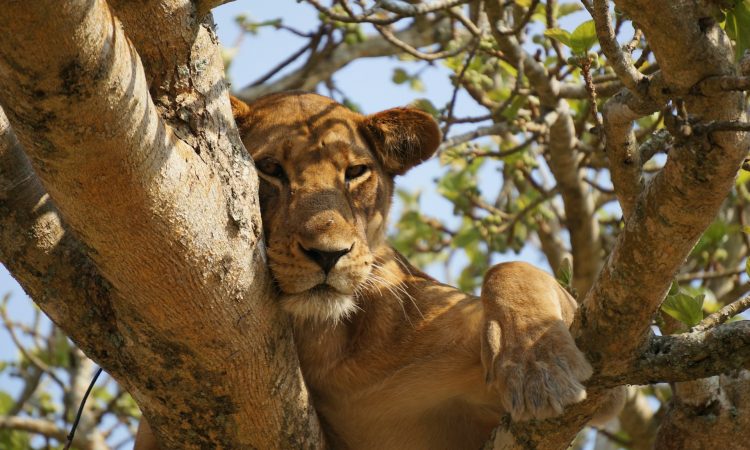
Lake Manyara is famous for its tree-climbing lions, found only here and in Queen Elizabeth National Park in Uganda. The park is also known for its elephant population and pink flamingoes, which attract bird lovers from all over the world.
The park features woodlands, swamps, rivers, lakes, savannah grasslands, and baobab trees. It also supports more than 600 species of flowering plants and ferns and is home to an endangered fish species found only in Tanzania.
Wildlife Watching
Wildlife viewing is the main activity in Lake Manyara National Park. The best times for game drives are early morning and late afternoon, when animals gather at water sources. Visitors can also spot some nocturnal animals around this time.
The park is famous for its large elephants with long tusks. Other animals include wildebeests, zebras, impalas, gazelles, dik-diks, warthogs, klipspringers, waterbucks, leopards, lions, olive baboons, buffaloes, bushbucks, and many others.
Boat Cruise & Canoeing
One of the best ways to experience the park is by taking a boat cruise or canoe across Lake Manyara. It is an excellent way to enjoy sunsets, water birds, hippos, and wildlife along the shores. However, these activities depend on the water levels, as the lake may dry up during long dry seasons.
Birding in Lake Manyara
Lake Manyara National Park is one of Tanzania’s best birding destinations, with over 400 bird species recorded. Common birds include grey-crowned cranes, lilac-breasted rollers, greater flamingos, white pelicans, yellow-billed storks, marabou storks, fish eagles, sacred ibises, hammerkops, crowned eagles, and many others.
The best time for birdwatching is from November to April, when migratory species from Europe and North Africa visit the park.
Nature Guided Walks
Visitors can explore Lake Manyara National Park on foot through designated walking trails. All walks are led by armed rangers for safety. During the walk, the ranger explains the park’s plants, birds, and wildlife, offering a close look at the Manyara ecosystem.
Lake Manyara
The beautiful Lake Manyara covers almost two-thirds of the park. It lies at an altitude of 960 meters and is a shallow alkaline lake about 3 meters deep when full. It is fed by underground springs and has no outlet, often drying up completely in the dry season. The lake is well known for its colorful sunsets and sunrises.
Hippopotamus Pool & Hot Springs
On the northern side of the park lies the hippopotamus pool and the Majambo hot springs, located between the lake’s western shore and the Rift Valley escarpment. These spots attract both birds and wildlife, offering excellent photography opportunities.
Community Visits
Visitors to Lake Manyara National Park can take part in community tours around the nearby villages. You can learn about the local lifestyle, enjoy traditional songs and dances, and buy handmade crafts as souvenirs or gifts, helping to support the local community.
Tree-Top Canopy Walk
The 370-meter tree-top walkway offers a unique way to explore the park. Suspended high above the forest floor, it gives great views of birds, trees, and wildlife from above. It is one of the most exciting experiences in the park.
Night Game Drives
Night game drives give visitors a chance to see nocturnal animals such as leopards, hyenas, and hippos as they hunt or graze. You may also spot night birds like owls and nightjars during this adventure.
Groundwater Forest
At the northern end of the park lies the groundwater forest, nourished by underground rivers. The forest is home to several monkey and bird species, and it provides cool shade and peaceful walking trails.
Tarangire National Park
Tarangire National Park is also located in the Manyara region and can easily be combined with a visit to Lake Manyara. The park covers 2,850 square kilometers and was established in 1970.
It is famous for its large elephant herds and baobab trees. During the dry season, animals migrate to the park to find water along the Tarangire River.
Common animals in the park include elephants, cheetahs, giraffes, lions, zebras, wildebeests, buffaloes, impalas, elands, caracals, dik-diks, honey badgers, African wild dogs, and baboons.
Tarangire is also known as a birdwatcher’s paradise with more than 500 species recorded. Some notable birds include vulturine guinea fowl, pink-breasted lark, slate-colored boubou, ashy starling, Fischer’s lovebird, ostrich, great white pelican, northern white-crowned shrike, Donaldson’s nightjar, rufous-tailed weaver, mountain buzzard, kori bustard, and bare-faced go-away bird.
Arusha National Park
Arusha National Park is one of Tanzania’s most scenic national parks and can be visited together with Lake Manyara. It was established in 1960 and covers 137 square kilometers.
The park is home to Mount Meru, Tanzania’s second-highest mountain, often used as a warm-up climb for those heading to Mount Kilimanjaro. It is also famous for the Momella Lakes, known for their birdlife and colorful reflections.
Although smaller than other savannah parks, Arusha offers an excellent wildlife experience. Animals commonly seen include elephants, zebras, giraffes, bushbucks, blue monkeys, black-and-white colobus monkeys, buffaloes, leopards, warthogs, and waterbucks.
Visitors can enjoy several activities here, including mountain climbing, hiking, birdwatching, nature walks, boat rides on Momella Lakes, and cultural tours to nearby communities.
Getting There
Lake Manyara National Park can be reached by road or air. The park is about 126 kilometers from Arusha town.
Travelers can fly to Kilimanjaro International Airport, located about 50 kilometers from Arusha, or fly to Julius Nyerere International Airport in Dar es Salaam and then drive to Arusha. It is also possible to fly directly from Julius Nyerere International Airport to Kilimanjaro Airport.
Tourists coming from Serengeti National Park can take a flight to the Manyara Airstrip, which is located close to the park.
Best Time to Visit
Lake Manyara National Park can be visited throughout the year, but the best time to go is during the dry seasons, from June to September and December to February.
During this time, the roads are easier to navigate, and animals gather around water sources, making them easier to spot. The vegetation is also thinner, allowing clear views of wildlife and scenic landscapes.
Where to Sleep
There are many accommodation options near Lake Manyara National Park to suit all budgets, from luxury lodges to mid-range and budget camps.
Popular places to stay include: Lake Manyara Sopa Lodge, Twiga Lodge, Lake Manyara Tree Lodge, Acacia Farm Lodge, Lake Manyara Serena Lodge, Lake Manyara Kilimanjaro Lodge, Manyara Wildlife Safari Camp, Migunga Tented Lodge, Kirurumu Tented Lodge, Manyara Tortilis Camp, Nsya Lodge, and Eco Boma Camp.
For travelers planning to spend more time in Tanzania, there are several other national parks close to Lake Manyara that are worth visiting.