Nairobi National Park, often called the world’s wildlife capital, is located just outside Kenya’s capital city, Nairobi. Covering an area of 127 square kilometers, it is one of the most unique national parks in Africa, where you can see wild animals with the city skyline in the background. The park is also known as “Kifaru Ark”, meaning rhinoceros sanctuary, because it is one of the few places in Kenya where you can see black rhinos in their natural habitat.
This park is ideal for business travelers or tourists with limited time in Nairobi. It offers a perfect weekend escape from the city’s busy life, giving visitors a true taste of the African wilderness without traveling far.
Wildlife & Conservation
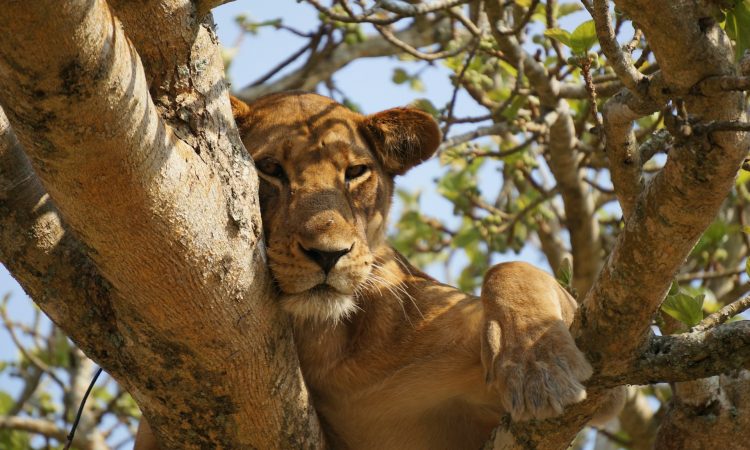
Nairobi National Park serves as a major rhino sanctuary, breeding endangered black rhinos before relocating them to other parks in Kenya. The park is home to over 100 species of mammals, including four of the Big Five (lion, leopard, buffalo, and rhino), as well as more than 400 bird species.
Because of its location near the city, the park is fenced on three sides to prevent human-wildlife conflict. The southern boundary remains open to the Kitengela plains, allowing animals to move freely in and out of the park.
The park’s altitude ranges between 1,533 and 1,760 meters above sea level and is part of the Athi-Kapiti ecosystem. It features open grasslands, dry forests, rocky valleys, riverine woodlands, and acacia trees, which create a natural home for wildlife.
Entry Fees
Park Entry Fees:
- Kenyan Citizens: 500 KES for adults, 300 KES for children
- Foreign Residents: 1,200 KES for adults, 600 KES for children
- Foreign Non-Residents: $50 for adults, $25 for children
Vehicle Fees:
- Cars with fewer than 6 seats – 300 KES
- 6–12-seater vehicles – 1,030 KES
- 13–24-seater vehicles – 2,585 KES
- 25–44-seater vehicles – 4,050 KES
- 45-seater and above – 5,000 KES
History
Nairobi National Park was the first national park to be gazetted in Kenya, on December 16, 1946. In the early 20th century, the area around Nairobi was full of wildlife, where Maasai pastoralists grazed their cattle alongside wild animals, and Kikuyu farmers cultivated crops in the nearby highlands.
When the British colonial settlers arrived in the late 19th century, they established Nairobi as a growing urban center. By 1910, the human population had increased to around 14,000, leading to human-wildlife conflicts as people encroached on animal habitats.
To protect wildlife, the colonial administration declared the area a game reserve. However, by the 1930s and 1940s, the wildlife population had started to decline due to increased settlement, grazing, and even bombing by the Royal Air Force, which disturbed the animals.
Mervyn Cowie, a Nairobi-born conservationist, returned after several years abroad to find the wildlife disappearing. Determined to save it, she launched a campaign to create a national park system in Kenya. As a result, the Kenyan government established Nairobi National Park in 1946. Cowie was appointed as the first director of the park and served until 1966.
In 1989, former President Daniel arap Moi made history by burning twelve tons of ivory in the park to fight poaching and raise global awareness for elephant conservation. Today, Nairobi National Park stands as one of the most successful conservation areas in Kenya.
Animals in Nairobi National Park
Despite being close to a major capital city, Nairobi National Park is rich in wildlife. Some of the animals you can see include:
Lions, leopards, cheetahs, hyenas, giraffes, black rhinos, zebras, wildebeests, buffaloes, hippos, waterbucks, Thomson’s gazelles, impalas, elands, warthogs, olive baboons, jackals, Grant’s gazelles, and Nile crocodiles.
The park also offers a great chance to see over 400 bird species, making it an excellent destination for both wildlife and bird-watching safaris.
What to Do in Nairobi National Park
Nairobi National Park offers visitors many exciting activities and attractions. Despite being located next to a busy city, the park provides a true African safari experience with excellent wildlife and bird-watching opportunities.
Birding
Nairobi National Park is a paradise for bird lovers, with over 400 recorded bird species, including 20 European migrants. Some of the birds you can spot in the park include:
Kori bustard, lesser kestrel, martial eagle, Abyssinian thrush, corncrake, black-headed heron, Fischer’s lovebird, lappet-faced vulture, grey crowned crane, Sharpe’s longclaw, pallid harrier, Hartlaub’s bustard, Jackson’s weaver, secretary bird, sooty falcon, white-headed vulture, white-bellied bustard, African finfoot, Maasai ostrich, African fish eagle, dwarf bittern, black-chested snake eagle, tawny eagle, African darter, saddle-billed stork, Rüppell’s griffon vulture, bronze-winged courser, African skimmer, and bateleur.
The park’s wetlands, grasslands, and acacia woodlands make it one of the best birding destinations in Kenya.
Wildlife Watching
Even though it is close to Nairobi city, Nairobi National Park offers great wildlife viewing opportunities. Visitors can go for game drives, enjoy a guided safari walk, or watch animals from designated observation points. Early morning and late afternoon drives are the best times to see lions, leopards, buffaloes, rhinos, and other animals.
Corporate Events
The park is also a popular venue for corporate events and special occasions. Its peaceful natural setting makes it ideal for meetings, conferences, bush dinners, destination weddings, video filming, and photography. Many companies and organizations use the park as a relaxing escape from the city while still being close to Nairobi.
Picnicking
Because of its proximity to the city, many people visit the park for day trips and picnics. Visitors often bring their own packed lunch to enjoy after a game drive or walk. Some of the popular picnic sites in the park include Kingfisher Picnic Site and Mokoyeti Picnic Site, both offering shaded areas and beautiful views of nature.
Nature Guided Walks
There are several established nature walk trails in Nairobi National Park, perfect for exploring the park’s flora and fauna on foot. One of the most popular trails is the Hippo Pool Nature Trail along the Athi River, where visitors can enjoy scenic views and spot animals like hippos, crocodiles, and various birds.
What to See in Nairobi National Park
Wildlife
Nairobi National Park is home to a variety of wildlife species, making it one of the top safari destinations in Kenya. Visitors can expect to see lions, leopards, cheetahs, rhinos, giraffes, buffaloes, zebras, wildebeests, and many more animals throughout the park.
Ivory Burning Site
The Ivory Burning Site is one of the park’s most significant landmarks. In 1989, former Kenyan President Daniel arap Moi burned 12 tons of ivory here to raise global awareness about elephant poaching. This historic act became a powerful symbol of Kenya’s commitment to wildlife conservation.
David Sheldrick Wildlife Trust
The Sheldrick Wildlife Trust, located near the park, was founded in 1977 by Dame Daphne Sheldrick in memory of her husband, David Sheldrick, the founding warden of Tsavo East National Park.
The trust runs an orphaned elephant rescue and rehabilitation program, caring for baby elephants that lost their families to poaching. Daphne Sheldrick was the first person to develop a milk formula for baby elephants using coconut milk, which helped save many orphaned calves.
Visitors can tour the Sheldrick Wildlife Trust every day between 11:00 a.m. and 12:00 noon to watch the young elephants being fed and playing in the mud.
Giraffe Conservation Education Center
The Nairobi Giraffe Center, located about 20 kilometers from Nairobi’s city center, is another popular attraction that pairs perfectly with a visit to the national park.
The center focuses on the conservation of the endangered Rothschild’s giraffe and offers educational programs for visitors. Guests can feed giraffes from raised platforms and learn more about giraffe conservation in Kenya.
Location
Nairobi National Park is located just 10 kilometers from Nairobi’s city center. Visitors can fly into Jomo Kenyatta International Airport or Wilson Airport and reach the park within a short drive.
Best Time to Visit
The park is open all year round, but the best time to visit is during the dry seasons from June to August and December to February. During these months, the grass is short, making it easier to spot animals. Wildlife tends to gather around water sources, providing excellent opportunities for photography and game viewing.
In the wet season, animals often move to the Kitengela Conservation Area, returning to the park once the dry season begins.
Accommodation
Most visitors enjoy day trips to Nairobi National Park due to its close proximity to the city, but there are several excellent lodges and hotels both inside and near the park.
Some recommended options include: Emakoko Lodge, Ololo Safari Lodge, Maasai Lodge, Nyati Hill Cottages, The Boma Nairobi, The Curve by the Park, Emara Hotel Ole-Sereni, Red Buffalo House Hotel, Game View Hotel, Leopard Cliff, Rolfs Place, Oloolua Lodge, and Porini Group Camps.
These lodges offer comfortable stays, guided safaris, and excellent hospitality for travelers seeking a peaceful stay close to the city.