Nyerere National Park, formerly known as Selous Game Reserve, is located in southeastern Tanzania, East Africa. Tanzania is one of the leading safari destinations in Africa, famous for its wildlife, the Great Wildebeest Migration, and many national parks that offer unforgettable safari experiences.
With more than 20 national parks across the country, Nyerere National Park stands out as one of the most exciting and rewarding places to visit.
About Nyerere National Park
Nyerere National Park is one of the largest national parks in Africa, covering about 30,893 square kilometers. It was established in 2019 and named after Julius Nyerere, the first president of Tanzania. The park occupies the northern section of the former Selous Game Reserve.
Historically, the area was declared a protected hunting reserve in 1896 by the German governor of Tanganyika. In 1905, it was named after Frederick Selous, a British explorer and hunter who later became a conservationist. In 1922, the British colonial administration renamed it the Selous Game Reserve. It was finally upgraded to a national park in 2019 and renamed Nyerere National Park in honor of President Nyerere’s contribution to conservation.
In the 1970s, the Selous area was home to more than 100,000 elephants, the largest population in the world at the time. However, due to poaching, the number dropped to around 13,000 by 2013. Despite this, Nyerere remains one of the best places to see elephants in their natural habitat.
The park’s landscapes include open grasslands, forests, lakes, and the wide Rufiji River, which flows through the park and supports a rich variety of wildlife.
Wildlife Watching
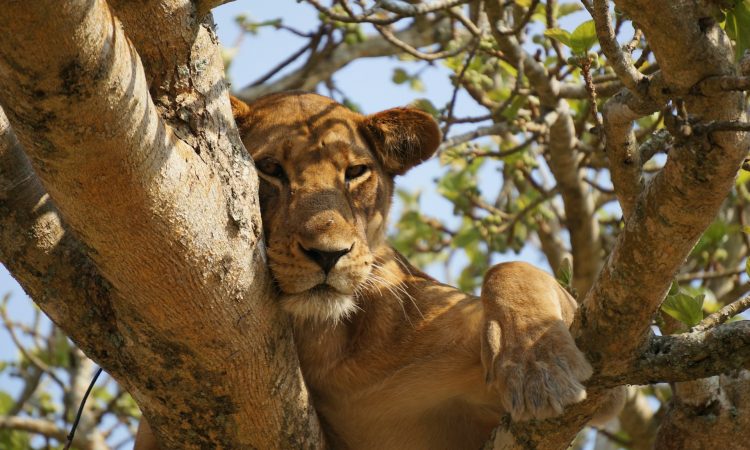
Nyerere National Park offers excellent opportunities for game drives and wildlife viewing. Animals you may see include:
- Lions
- Leopards
- Cheetahs
- Elephants
- Buffalos
- Giraffes
- Zebras
- Wildebeests
- Hippos
- Crocodiles
- African wild dogs
- Antelopes
- Elands
- Gazelles
The park was declared a lion conservation area in 2005 and is also home to rare African wild dogs and black rhinos.
Walking Safaris
Visitors can enjoy guided walking safaris with trained armed rangers. These walks allow travelers to get close to nature and learn about the park’s vegetation, birds, and animal tracks. Rangers explain how plants and trees are used by wildlife and local people, offering a deeper understanding of the ecosystem.
Bird Watching
Nyerere National Park is a birdwatcher’s paradise with over 400 recorded species. Some birds you can spot include:
African skimmer, malachite kingfisher, African fish eagle, palm-nut vulture, Bohm’s bee-eater, African spoonbill, pearl-spotted owlet, broad-billed roller, brown-necked parrot, Egyptian goose, knob-billed duck, yellow-billed stork, red-necked spurfowl, white-fronted bee-eater, grey-headed kingfisher, purple-banded sunbird, and many more.
Bird-watching is especially rewarding along the Rufiji River, where waterbirds gather in large numbers.
Boat Rides on the Rufiji River
One of the best ways to explore the park is by boat safari along the Rufiji River, the largest river in Tanzania. The river flows into the Indian Ocean through one of the world’s largest mangrove forests.
Boat rides usually last about two hours and offer close-up views of hippos, crocodiles, elephants, and many bird species. During the dry season, animals gather along the riverbanks, making this an ideal time for wildlife viewing and photography.
Cultural Encounters
A trip to Nyerere National Park can be combined with a cultural visit to nearby communities. The areas around the park are inhabited by various tribes, including the Maasai. Visitors can learn about local customs, food, and daily life and join in traditional dances and songs.
Travelers can also participate in daily activities such as milking cattle, cooking local dishes, and craft-making. Buying handmade crafts directly from the communities helps support local families and preserves traditional skills.
Hot Air Balloon Safaris
For a different experience, visitors can take a hot air balloon safari over the northern part of the park, where the Rufiji River flows. This gives travelers a bird’s-eye view of the park’s landscapes and wildlife, including hippos, elephants, and crocodiles. Morning flights are followed by a bush breakfast, making this one of the most memorable ways to explore Nyerere.
Fishing
Fishing is another relaxing activity at Nyerere National Park. Anglers can fish on the Rufiji River under the guidance of experienced fishing guides. Fishing equipment can be rented at a small fee, and all catches are released afterward to support conservation efforts.
Mikumi National Park
Many travelers combine their safari to Nyerere with a visit to Mikumi National Park, often called “Little Serengeti” because of its wide open plains that resemble those of the Serengeti.
Established in 1964, Mikumi National Park covers about 3,230 square kilometers and borders Nyerere National Park. The park is divided by the Tanzanian A-7 highway, making it one of the most accessible wildlife parks in southern Tanzania. Mikumi is home to a subspecies of giraffe believed to be a link between the reticulated giraffe and the Masai giraffe.
Wildlife in Mikumi National Park
Mikumi is rich in wildlife and offers excellent game drives similar to those in the Serengeti. Some of the animals you can see include lions, leopards, elephants, zebras, buffalos, wildebeests, hippos, eland, hartebeest, sable antelopes, impalas, black kudu, olive baboons, and African wild dogs.
During the dry season, most animals gather around the hippo pools, offering great viewing and photography opportunities.
Bird Watching in Mikumi
Mikumi National Park is also home to over 400 bird species, making it an excellent destination for bird lovers. Some of the birds found in the park include the northern pied babbler, African hawk eagle, African grey hornbill, long-tailed fiscal, green wood hoopoe, African openbill, marabou stork, southern ground hornbill, northern carmine bee-eater, pale batis, red-billed oxpecker, Shelley’s sunbird, purple-crested turaco, yellow-throated longclaw, cardinal woodpecker, and malachite kingfisher.
The best time for birding is from November to April, when migratory species arrive from Europe and Asia, adding color and sound to the park’s skies.
Getting There
Nyerere National Park is located about 230 kilometers from Dar es Salaam and can be accessed by road or air.
- By Road: The journey from Dar es Salaam takes about 5 to 6 hours, depending on road conditions.
- By Air: Scheduled and chartered flights operate daily from Dar es Salaam and Arusha to several airstrips inside the park. Travelers should confirm that their flight lands near their lodge to avoid long transfers.
Best Time to Visit Nyerere National Park
Nyerere National Park can be visited throughout the year, but the best time to go is during the dry seasons from July to September and December to February. During this period, the weather is pleasant, the roads are easier to access, and animals gather around rivers and waterholes, making wildlife viewing much easier.
The wet season, from March to May, transforms the park into a lush green landscape, perfect for birdwatching and photography, although some areas may be difficult to reach due to rain.
Where to Stay in Nyerere National Park
While visiting Nyerere National Park, you will find several comfortable lodges and camps that suit different budgets and preferences. Some of the best accommodation options include Selous Serena Camp, Sand Rivers, Rufiji River Camp, Stiegler’s Gorge Camp, Mbuyu Safari Camp, Serena Mivumo River Lodge, Beho Beho, Kiba Point Selous, and Lake Manze Tented Camp, among others.
Each lodge offers a peaceful atmosphere surrounded by nature, delicious meals, and opportunities for guided safaris and boat trips along the Rufiji River. Staying inside or near the park gives visitors the advantage of early morning game drives and easy access to wildlife viewing areas.