Tanzania is one of the top safari destinations in Africa, with almost 30% of its land protected as national parks and game reserves. Visitors have high chances of spotting the Big Five in most of these parks, while the coastline offers world-class beach holidays and marine life experiences.
The country is also known for bird-watching, with more than 1,000 bird species recorded. Among these parks, Ruaha National Park stands out for its large size, beautiful landscapes, and incredible wildlife.
About Ruaha National Park
Ruaha National Park is one of Tanzania’s oldest and most remarkable national parks. It was once famous for its large elephant population, with over 30,000 elephants recorded before numbers dropped to around 5,000 in 2015. In 2008, Usangu Game Reserve was merged with Ruaha, making it Tanzania’s largest park. Today, it covers 20,226 square kilometers and forms part of the 45,000-square-kilometer Rungwa-Kizigo-Muhesi ecosystem.
The park is made up of savannah grasslands, baobab trees, acacia woodlands, and miombo forests, offering an ideal environment for many animal species. It was first gazetted as Saba Game Reserve by the German colonial government in 1910. The British later renamed it Rungwa Game Reserve in 1946, and it was upgraded to a national park in 1964, becoming Ruaha National Park.
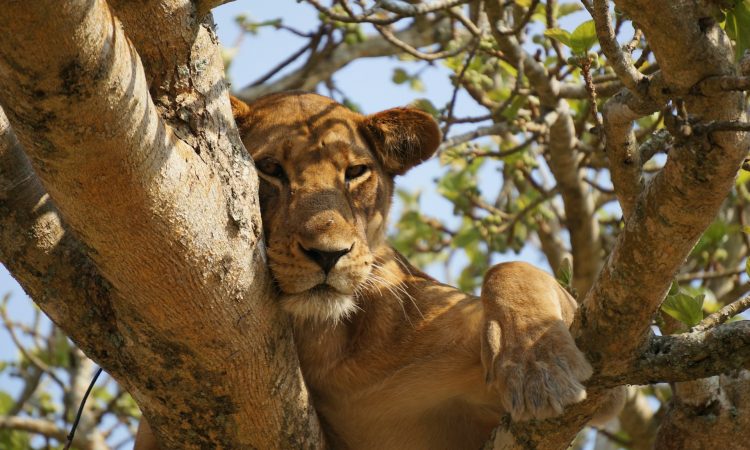
Ruaha gets its name from the Great Ruaha River, which flows through the park and is a major water source for wildlife. The park was also declared a lion conservation unit in 2005, hosting about 10% of the world’s lion population. Though remote and less crowded, Ruaha is a true wilderness destination perfect for travelers looking for an authentic African safari.
Entry Fee
The entry fees for Ruaha National Park are as follows:
- Foreign non-resident adults: $30 per person
- Foreign non-resident children: $10 per person
- Foreign resident adults: $15 per person
- Foreign resident children: $5 per person
Please note that park fees can change occasionally, so visitors are advised to check for updated information before their trip.
The Great Ruaha River & Rift Valley
The Great Ruaha River is the park’s lifeline, especially during the dry season when it attracts large numbers of animals. The river covers a catchment area of 68,000 square kilometers and stretches for about 457 kilometers, feeding many smaller rivers. The riverbanks are excellent spots for seeing hippos, crocodiles, and water birds.
The Great African Rift Valley crosses the park, forming a wall that rises between 50 and 100 meters high. Along this wall are a series of natural hot springs, including Majimoto, Mkwawa, Makinde, and Mwayembe Hot Springs, which are fascinating to visit.
Wildlife Watching
Ruaha National Park offers one of the best game-viewing experiences in East Africa. The best time for a game drive is in the early morning or late afternoon, when animals are active. Visitors can see elephants, lions, leopards, cheetahs, giraffes, zebras, buffaloes, kudu, antelopes, impalas, waterbucks, and African wild dogs.
Night game drives are also available, offering a chance to spot nocturnal animals like hyenas, civets, and bushbabies.
Bird Watching
Ruaha is a paradise for bird lovers, with about 571 recorded species, including 16 globally threatened species. The best bird-watching season is from November to April, when migratory birds arrive. Some species you may spot include:
- Ruaha red-billed hornbill
- African fish eagle
- Knob-billed duck
- Golden-breasted bunting
- Egyptian goose
- Yellow-collared sunbird
- Purple-banded sunbird
- Greater blue-eared starling
- African black-headed oriole
Birdwatchers can enjoy both guided and self-drive birding experiences throughout the park.
Hot Air Balloon Safaris
A hot air balloon safari over Ruaha offers a unique way to see the park’s landscapes and wildlife. These flights usually take place early in the morning or late in the evening and end with a delicious bush breakfast. The balloon carries about 12 passengers, and the minimum age is 7 years old.
Boat Cruises & Canoe Rides
For a peaceful experience, visitors can take a boat cruise or canoe ride along the Great Ruaha River. This allows travelers to see crocodiles, hippos, and various bird species up close.
Nature Walks
Guided nature walks are a great way to explore Ruaha on foot. Accompanied by armed rangers, tourists can observe antelopes, primates, birds, and plant species while learning about the park’s ecosystem. Visitors are encouraged to follow park regulations to ensure safety and conservation.
Visit Historical Sites
Ruaha National Park was once the home of Chief Mkwawa, the leader of the Hehe people, who resisted German colonial rule in the 19th century. Visitors can explore cultural and historical sites such as Ganga la Mafunyo Rock, Nyanywa Rock Paintings, Idinda Rock Paintings, and Mapenza Cave. These sites give insight into the area’s cultural and historical background.
Cultural Encounters
Outside the park, travelers can visit the local Hehe communities. Meeting the locals gives visitors a chance to learn about traditional customs, food, dress, and beliefs. Buying handmade crafts supports local artisans and provides memorable souvenirs.
Nyerere National Park
Located east of Ruaha, Nyerere National Park (formerly Selous Game Reserve) is another major wildlife area that can be combined with a Ruaha safari. It is the largest protected area in Africa, first gazetted in 1922 as Selous Game Reserve and named after Sir Frederick Selous, a famous big-game hunter and conservationist.
In 2019, the reserve was upgraded to national park status and renamed Nyerere National Park in honor of Tanzania’s first president, Julius Nyerere. Combining a visit to Ruaha and Nyerere allows travelers to experience two different ecosystems—Ruaha’s dry savannahs and Nyerere’s vast river systems and wetlands. Together, they offer one of the most rewarding safari circuits in East Africa.
Getting There
Ruaha National Park is about 130 kilometers from Iringa town and can be reached by road or air. By road, it takes about 9 hours from Dar es Salaam. The drive passes through scenic rural areas, offering travelers a chance to see Tanzania’s countryside.
For those who prefer flying, there are scheduled and chartered flights available from Dar es Salaam or Arusha to Msembe or Jongomero airstrips inside the park. The flight takes about one hour, and tickets can be arranged directly with airlines or through a local tour operator.
Best Time to Visit
Ruaha National Park can be visited throughout the year, but certain months provide better wildlife viewing and road conditions. The best time to visit is from June to August and December to February. During these months, the roads are easier to drive on, and animals gather near rivers and waterholes, making them easier to spot.
For birdwatchers, the best months are November to April, when migratory birds from North Africa and Europe arrive, adding color and activity to the park.
Where to Stay in Ruaha National Park
While visiting Ruaha National Park, travelers can choose from several comfortable accommodation options that suit different budgets and preferences. Although the park has fewer lodges compared to other popular destinations, it still offers excellent choices for both luxury and mid-range travelers.
Some of the recommended places to stay include Jabali Ridge, Jabali Private House, Jongomero Camp, Kwihala Camp, Ikuka Camp, Kigelia Ruaha, and Mdonya Old River Camp. Each lodge offers a peaceful environment, great food, and beautiful views of the park. Staying inside or near the park allows visitors to enjoy early morning and late evening game drives when wildlife activity is highest.