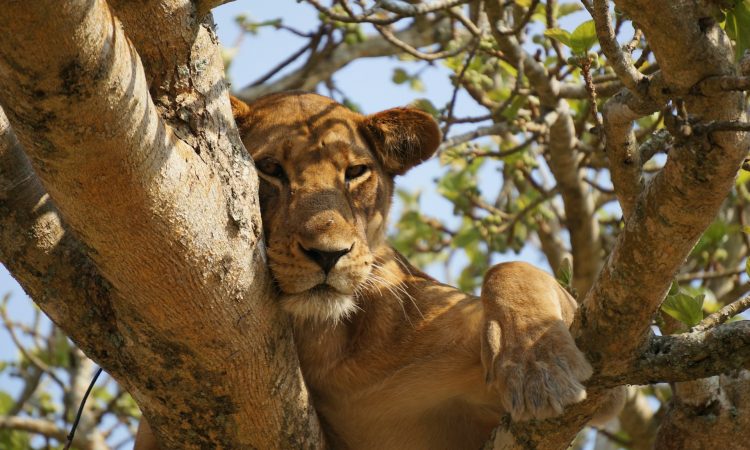
Tsavo East National Park and Tsavo West National Park, together with Chyulu Hills National Reserve and South Kitui National Reserve, form part of the larger Tsavo Conservation Area shared between Kenya and Tanzania.
The area was divided into two main parks after a road was built through it, creating Tsavo East and Tsavo West.
Overview of Tsavo East and Tsavo West
Tsavo East National Park lies in Taita Taveta County in Kenya’s former Coastal Province. It covers about 13,747 square kilometers, making it one of the largest national parks in the country.
Tsavo West National Park, located in the same province, covers around 9,065 square kilometers.
Compared to other popular parks like Masai Mara or Amboseli, the Tsavo parks are less crowded, offering peaceful wilderness and excellent opportunities for wildlife and bird viewing.
Entry Fees
Entrance fees for Tsavo East and Tsavo West are set by the Kenya Wildlife Service (KWS) and may change yearly. The 2022–2023 rates were as follows:
- Kenyan and East African Citizens: Adults Ksh 300, Children Ksh 215
- Foreign Residents: Adults Ksh 500, Children Ksh 215
- Foreign Non-Residents: Adults USD 60, Children USD 20
Always confirm the latest rates before visiting.
History
The Tsavo Conservation Area was originally home to Wartha hunter-gatherers and Orma pastoralists for thousands of years before it was gazetted as national parks in 1948.
In 1898, during the construction of the Kenya-Uganda Railway, two male lions began attacking workers near Tsavo, killing around 135 people. The project’s leader, Lt. Col. Patterson, eventually shot the lions. This event became one of Tsavo’s most famous historical stories.
Archaeological findings in Tsavo reveal Stone Age artifacts dating from 6,000 to 1,300 years ago. Evidence of cowry shells, beads, and other trade items also suggests that ancient communities traded ivory, hides, and slaves for goods like mirrors and shells during the early Swahili trading period.
In 1978, Tsavo West’s former warden Bill Woodley invited the Mountain Club of Kenya (MCK) to explore the park’s extensive cave systems.
Location
Tsavo East National Park is located in the Taru Desert, bordering Mkomazi Game Reserve in Tanzania and Chyulu Hills National Reserve in Kenya.
Tsavo West National Park is about 250 kilometers from Mombasa and 240 kilometers from Nairobi. Visitors can access the park by road or by air through one of its three airstrips.
What to Do in Tsavo National Parks
Bird Watching
Tsavo East is a top birding destination with over 500 species, while Tsavo West has more than 400 species. Many species can be found in both parks.
Common birds include Somali ostrich, rufous chatterer, black-headed lapwing, Somali bee-eater, Taita falcon, martial eagle, Fischer’s starling, African fish eagle, golden-breasted starling, Kori bustard, and Egyptian vulture. Migratory species like European bee-eaters, thrush nightingales, and Basra reed warblers are also often seen.
Rhino Tracking
In the 1940s, Tsavo West had about 20,000 rhinos, but heavy poaching reduced their number to fewer than 20 by 1989. To protect them, the Ngulia Rhino Sanctuary was created and fenced.
Today, visitors can track black rhinos safely in this protected area, offering one of the best conservation experiences in Kenya.
Attractions in Tsavo National Park
Tsavo National Park is one of Kenya’s largest and most historic wildlife parks, made up of Tsavo East and Tsavo West. The park is known for its wide open landscapes, wildlife, and unique natural landmarks. Below are some of the best attractions to see when visiting Tsavo.
Animals
Tsavo East and Tsavo West are among the best wildlife destinations in Kenya, home to the African Big Five and many other animal species.
Visitors can spot elephants, lions, leopards, buffaloes, and rhinos, as well as cheetahs, hyenas, baboons, giraffes, zebras, hippos, and warthogs. Other animals include aardwolves, jackals, civets, dik-diks, eland, hartebeest, genets, reedbuck, impalas, monkeys, bushbucks, and African wild dogs.
The parks also protect smaller creatures like springhares, honey badgers, and mole rats, making every game drive exciting and unpredictable.
Mudanda Rock
Mudanda Rock is a massive inselberg stretching for 1.6 kilometers. It acts as a natural water catchment area that attracts hundreds of elephants and other wildlife, especially during the dry season. The rock is one of the best spots in Tsavo for guided nature walks and offers clear views of the surrounding park landscape.
Lugard Falls
Lugard Falls, named after Sir Frederick Lugard, are among the most beautiful features of Tsavo East. They are located along the Galana River, which is home to large numbers of crocodiles, hippos, and aquatic birds. The falls were named after Captain Lugard, the first European explorer to visit them. Visitors can enjoy watching the rushing waters and the wildlife that gathers along the riverbanks.
Yatta Plateau
The Yatta Plateau is famous for being the longest lava flow in the world. It was formed by eruptions from Mount Oldonyio Sabuk and stretches for 290 kilometers with a width of about 1.3 kilometers. The plateau runs along the western boundary of Tsavo East and extends northward towards Nairobi. It is an impressive natural wonder and a key attraction for geology and photography lovers.
Mzima Springs
Mzima Springs are crystal-clear natural springs that produce about 50 million gallons of water daily. The springs originate from underground streams that flow through volcanic rocks from the Chyulu Hills.
Mzima Springs became world-famous in 1969 when wildlife filmmakers Alan and Joan Root released their documentary titled “Mzima.” Visitors can explore the area using well-built walkways and observation points that provide great views of hippos, fish, and birds.
Cave Exploration
Tsavo West National Park offers some of Kenya’s best cave exploration sites. The caves are made of volcanic rock and are home to bats and unique rock formations. Exploring these caves provides an adventurous way to learn about the park’s geological history.
Shetani Lava Flow
The Shetani Lava Flow is one of the park’s most interesting geological sites. Many years ago, molten lava erupted here, spreading across the landscape. Locals believed it was the work of evil spirits and named it “Shetani,” which means “devil” in Swahili. Today, visitors can see the black lava fields and learn about the volcanic activity that shaped the area.
Lake Jipe
Lake Jipe is a quiet and scenic lake that lies on the Kenya–Tanzania border. It is home to hippos, crocodiles, and many bird species, making it a great spot for bird watching. In 1977, zebras were reintroduced to the area to restore its natural ecosystem.
The lake also offers views of Mount Kilimanjaro, and visitors can enjoy a boat trip to explore its shoreline flora and fauna.
First World War Site
Tsavo has historical importance as one of the First World War sites in East Africa. Although no major battles were fought in Kenya, the British used Tsavo to protect the Uganda–Kenya railway from German forces.
Artifacts such as rifles, bullets, smoking pipes, and German cartridges have been found within the park, offering insight into this lesser-known part of Kenya’s colonial history.
Ngulia Rhino Sanctuary
The Ngulia Rhino Sanctuary, located in Tsavo West National Park, was established in 1986 to protect Kenya’s remaining black rhinos. In the 1940s, Tsavo had about 20,000 rhinos, but poaching reduced them to fewer than 20 individuals by the 1980s.
The sanctuary was fenced to keep the rhinos safe, and today the population is slowly recovering. It is one of the best places in Kenya to see black rhinos in their natural habitat.
Ngulia Hills
The Ngulia Hills rise about 600 meters above the Rift Valley floor and reach 1,800 meters above sea level. They offer some of the best panoramic views of Tsavo West, especially during sunrise and sunset. The hills also attract many bird species during migration seasons.
Other Attractions
Other key attractions in Tsavo West National Park include Poachers Lookout, Aruba Dam, and Kanderi Swamp, which are popular for game viewing and bird photography.
Best Time to Visit
The best time to visit Tsavo East and Tsavo West is during the dry seasons from June to September and December to February. During these months, the weather is pleasant, vegetation is thinner for better wildlife viewing, and roads are easier to navigate.
Accommodation in Tsavo National Parks
Both parks have a wide range of lodges, camps, and guesthouses to suit every budget.
In Tsavo East National Park, accommodation options include:
Taita Hill Safari Resort, River Lumi Resort, Voyager Safari Camp, Teen Ranch Kenya, Rhino Valley Lodge, Lavender Garden Hotel, Taita Lick Safari Lodge, Paran Resort, Loyk Tsavo Camp, Kudu Camp, Voi Wildlife Lodge, Tsavo Lodge, and Ashnil Aruba Lodge.
In Tsavo West National Park, visitors can stay at:
Lake Hope Cottages, Kamboyo Guest House, Kitani Self-Catering Bandas, Ngulia Safari Lodge, Severin Safari Camp, Rhino Valley Lodge, Kilaguni Serena Safari Lodge, Finch Hattons Camp, Camp Ya Kanzi, Salt Lick Safari Lodge, Lake Jipe Safari Camp, Lions Bluff Lodge, and Babylon Lodge.