Set out on a full Tanzania bird-watching journey to explore the country’s wide variety of native bird species. This carefully designed 30-Day Tanzania Endemics Birding Tour highlights the best birding destinations in Tanzania, focusing on its rare and endemic species.
Tanzania has one of the largest bird lists in Africa, second only to the Democratic Republic of the Congo. It has about 1,155 bird species, including around 800 resident species and 200 migratory species. The country also has 43 endemic species that live only within its borders, along with 53 near-endemic species found in and around Tanzania.
If these numbers do not catch your attention, nothing else will.
30-Day Tanzania Birding Tour Highlights
- Day 1: Pick-up from Kilimanjaro International Airport
- Day 2: Arusha National Park
- Day 3: Lark Plains
- Day 4: Tarangire National Park
- Days 5 & 6: Serengeti
- Day 7: Transfer to Arusha (birding on the way)
- Days 8 & 9: South Pare Mountains
- Days 10, 11 & 12: Usambara Mountains – Western Range
- Days 13, 14 & 15: Usambara Mountains – Eastern Range
- Days 16, 17 & 18: Pemba Island
- Days 19, 20 & 21: Uluguru Mountains Forest Reserve
- Days 22 & 23: Ukaguru & Rubeho Mountains
- Day 24: Kilombero Swamp (Ramsar Site)
- Days 25 & 26: Udzungwa Mountains National Park
- Day 27: Iringa Highlands
- Days 28 & 29: Mikumi National Park
- Day 30: Transfer to Dar es Salaam and Departure
Detailed 30-Day Tanzania Birding Tour Itinerary
Day 1: Pick-up from Kilimanjaro International Airport
A Sustainable Birding representative will meet you at the airport, greet you, and drive you to your hotel in Arusha. You can relax and prepare for the exciting adventure ahead.
Day 2: Arusha National Park
Your journey begins with a drive to Arusha National Park, which has a mix of open Savannah, rainforests, acacia woodlands, and alpine vegetation on Mount Meru’s slopes. You will explore the park by vehicle and on foot to enjoy bird-watching. The park’s wide variety of habitats supports many birds and animals, making it an excellent start to your safari.
Day 3: Lark Plains
On this day, you will visit Lark Plains, known for the rare Tanzania endemic, Beesley’s Lark. These dry plains attract many bird species that are adapted to arid conditions. During the rainy months of March to May, the area comes to life with lush vegetation and increased bird activity. Look out for near-endemic species such as Athi Short-toed Lark, Red-throated Tit, and Short-tailed Lark.
Day 4: Tarangire National Park
Next, you will visit Tarangire National Park, famous for its birdlife and wildlife. The park is named after the Tarangire River, a key water source during the dry season that attracts many animals. Over 500 bird species have been recorded here, including Bare-faced Go-away Bird, Donaldson Smith’s Nightjar, Northern White-crowned Shrike, Red-and-yellow Barbet, Ashy Starling, and Yellow-collared Lovebird.
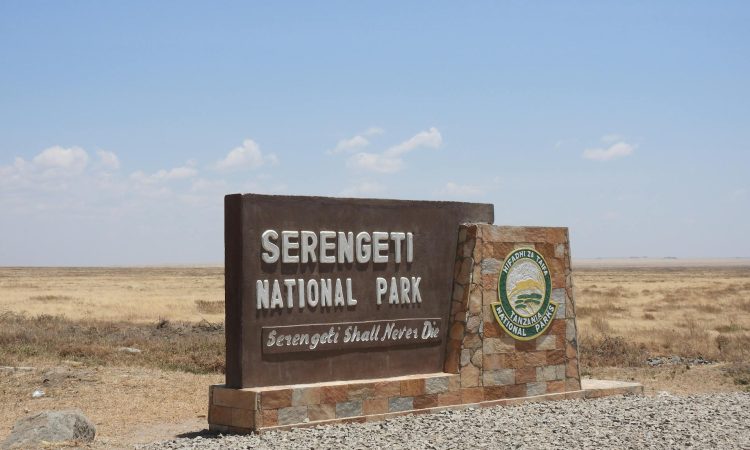
Days 5 & 6: Serengeti National Park
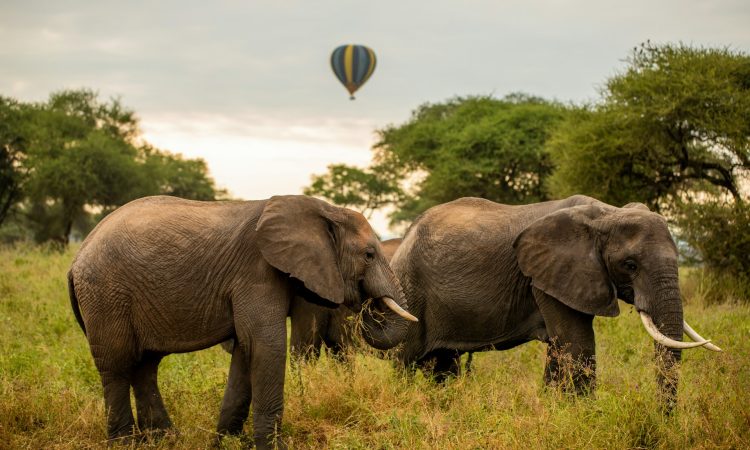
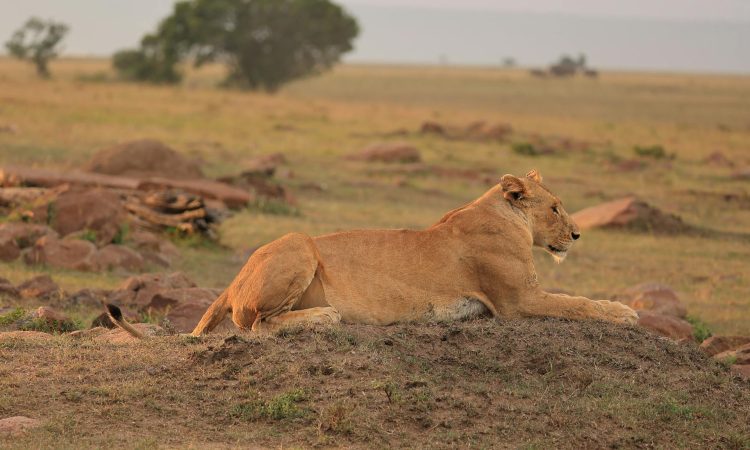
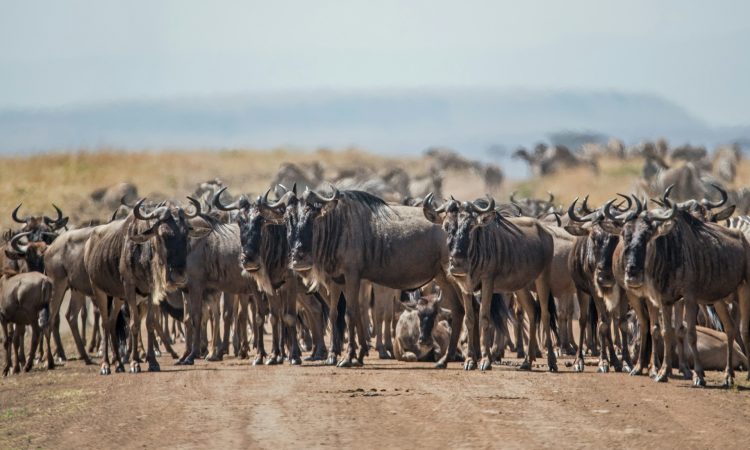
You will spend two full days in the Serengeti, Africa’s most famous national park. The vast grasslands are home to the Great Migration, where millions of wildebeest and other animals move across the plains each year. The park also has over 500 bird species, including the endemic Grey-breasted Spurfowl and near-endemic Red-throated Tit, Rufous-tailed Weaver, and Grey-crested Helmetshrike.
Day 7: Transfer to Arusha
Travel back to Arusha while bird-watching along the way. Take time to stop at interesting birding spots en route.
Days 8 & 9: South Pare Mountains
Head to the South Pare Mountains, home to rare birds like the South Pare White-eye and Usambara Double-collared Sunbird. You may also see Hunter’s Cisticola, Purple-banded Sunbird, and East Coast Boubou. Enjoy peaceful birding walks and the beautiful scenery.
Days 10–12: Western Usambara Mountains
Explore the Western Usambara range, part of the Eastern Arc Mountains. This region is an important bird conservation area with seven endemic species such as the Usambara Eagle-owl, Usambara Thrush, and Usambara Weaver. You can also find near-endemics like the Amani Sunbird and Spot-throat.
Days 13–15: Eastern Usambara Mountains
Continue to the Eastern Usambara range and Amani Forest Reserve. Key species include Ayres’s Hawk-eagle, Purple-banded Sunbird, Amani Sunbird, Uluguru Violet-backed Sunbird, and Half-collared Kingfisher. Keep an eye out for the endemic Usambara Hyliota and Usambara Tailorbird.
Days 16–18: Pemba Island
Fly from Tanga to Pemba Island, a quiet tropical paradise. You will look for endemic species such as the Pemba Scops Owl, Pemba White-eye, and Pemba Sunbird. The island is also home to the Pemba Vervet Monkey and Pemba Flying Fox. Explore Ngezi Forest and enjoy the island’s peaceful beaches.
Days 19–21: Uluguru Mountains Forest Reserve
Next, travel to the Uluguru Mountains, known for their high number of unique species. Spend three days exploring this rich habitat, searching for the Uluguru Bush-shrike, Mrs. Moreau’s Warbler, Loveridge’s Sunbird, and Uluguru Mountain Greenbul.
Days 22 & 23: Ukaguru and Rubeho Mountains
Visit the Ukaguru Mountains, home to the Rubeho Warbler and Rubeho Forest Partridge. The region features forests, grasslands, and Miombo woodlands. Continue to the nearby Rubeho Mountains to find more endemic species, including the Rubeho Akalat and Rubeho Double-collared Sunbird.
Day 24: Kilombero Swamp (Ramsar Site)
Explore the Kilombero Floodplain, one of Tanzania’s most important wetlands. It supports about 350 plant species and 300 bird species. Target species include Kilombero Cisticola, White-tailed Cisticola, and Kilombero Weaver. The area also hosts a large population of Puku antelope.
Days 25 & 26: Udzungwa Mountains National Park
Spend two days birding in Udzungwa Mountains National Park, which has more than 400 bird species, including two endemics—Rufous-winged Sunbird and Udzungwa Forest Partridge. The park is also rich in plant species and primates such as the Sanje Mangabey and Udzungwa Red Colobus.
Day 27: Iringa Highlands
Continue to the Iringa Highlands in southern Tanzania. Look out for the Kipengere Seedeater, Iringa Akalat, and Kilombero Weaver. The scenery is peaceful and excellent for bird photography.
Days 28 & 29: Mikumi National Park
Explore Mikumi National Park, Tanzania’s fourth largest park. Its open savannahs and grasslands are home to many birds and animals. The park connects to the Selous Game Reserve, making it an ideal spot to end your birding adventure.
Day 30: Transfer to Dar es Salaam and Departure
After breakfast, drive to Dar es Salaam for your departure. This marks the end of your 30-Day Tanzania Endemics Birding Tour.